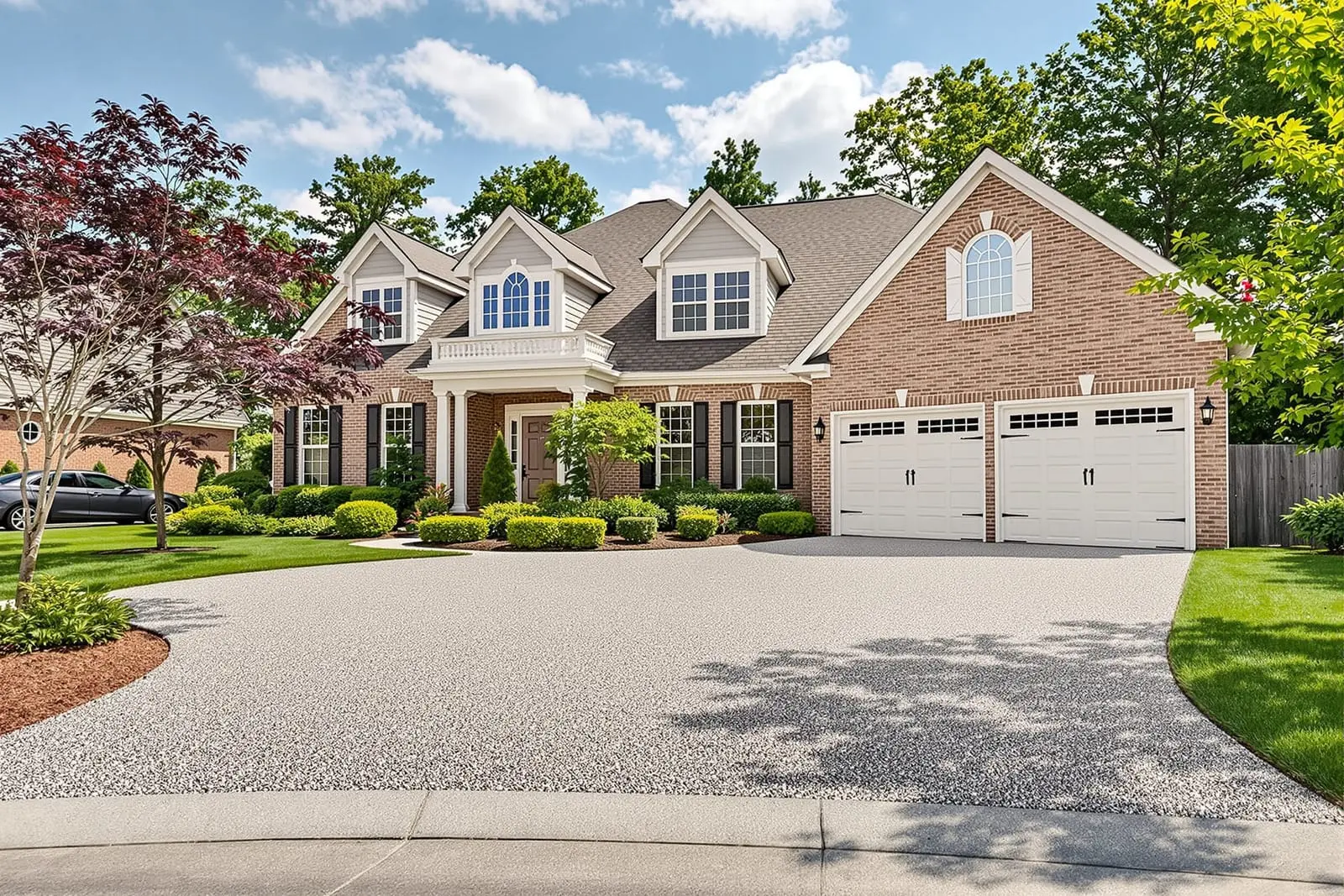
Tired of dust and ruts from a gravel drive. Our gravel to asphalt conversions in Durham, NC turn rough surfaces into smooth, easy to maintain pavement. We regrade the base, compact it properly, and pave with quality asphalt so you get a cleaner, more comfortable driveway that adds value to your home.
Prestige Asphalt Durham provides professional gravel to asphalt conversion throughout Durham, NC and the surrounding area. Our licensed, insured crew delivers safe, clean, on-time work with a free estimate before anything begins. Call (919) 647-7504 or request your free quote.
Gravel-to-Asphalt Conversion in Durham, NC
If you are tired of ruts, dust, and muddy potholes on your gravel drive or parking area, a gravel to asphalt conversion can make a big difference to how your property looks and works. Prestige Asphalt Durham focuses on turning existing gravel surfaces into smooth, long lasting asphalt that handles our local weather and traffic.
Around Durham, many homes outside the city center and small businesses along county roads start with gravel because it is cheaper up front. Over time, heavy rains wash out stone, cars track mud, and gravel migrates into yards and storm drains. Converting to asphalt gives you a stable surface that is easier to drive on, easier to plow or sweep, and more attractive to visitors, tenants, and customers.
We design each gravel to asphalt conversion around the specific property. A lightly used country driveway needs something different than a church lot next to NC Highway 98 or a small industrial yard near RTP. Prestige Asphalt Durham looks at your existing gravel depth, drainage, and soil, then recommends a structure that fits your use and budget instead of forcing a one size fits all approach.
What We Look At During Your Site Evaluation
A successful gravel to asphalt conversion starts with understanding what is already under your tires. During our free local visit in Durham and nearby communities, our crew does more than glance at the surface.
We check gravel depth. Many older gravel drives only have 2 to 3 inches of stone. For a solid asphalt surface, we usually want at least 6 to 8 inches of compacted stone in driveways and 8 to 10 inches where heavier vehicles park. If your gravel is thin, we plan to add and compact more base before paving.
We test how firm the subgrade soil feels under the gravel. In parts of Durham with red clay or low spots, the ground can pump or shift when wet. We may recommend undercutting soft pockets and replacing them with stone, or installing a geotextile fabric to separate clay from the new base.
We look at water and drainage. On hilly properties in northern Durham County, water can run across the drive and cut channels. In flatter neighborhoods inside the city, water may sit and create puddles. We map where water comes from and where it should go, then add slope, swales, or drainage features so your new asphalt does not crack or rut from trapped water.
We also note access issues, tree roots, and nearby structures. For example, older homes near downtown often have tight driveways with brick walls or steps very close to the edge. Our crew plans equipment movements and edge details to protect your property while still giving you a neat, finished lane.
Step-by-Step: How We Convert Gravel to Asphalt
Prestige Asphalt Durham follows a detailed process so your gravel to asphalt conversion holds up to years of use.
1. Grading and reshaping: We use skid steers and graders to recontour the existing gravel. We cut down high spots, fill low areas, and establish a consistent slope, typically 1 to 2 percent, so water sheds properly. This is especially important on long driveways that run downhill toward the house or road.
2. Strengthening the base: Where gravel is thin or mixed with mud, we add new crushed stone (often ABC stone common in North Carolina). We spread it in layers and compact each lift with vibratory rollers. If we find saturated clay pockets, we undercut those spots and replace them with stone so the surface does not settle later.
3. Edge definition: Before paving, we determine where the asphalt should start and stop. Depending on the property, we may cut a clean edge next to grass, tie in to a garage slab, or install a small stone shoulder so cars do not break the edge of the new asphalt when they pull off.
4. Binder and surface asphalt: For most conversions, we install a thicker binder course first, then a finer surface course. On residential driveways, a common build in Durham is 2 inches of compacted binder and 1 to 1.5 inches of surface. On small commercial lots or areas that see delivery trucks, we may increase the total thickness and use a stronger mix design.
5. Compaction and finishing: We compact the asphalt while it is still hot using steel drum rollers and smaller compactors near edges and tight spots. Proper compaction is what turns hot mix into a dense, durable surface. We finish with clean edges and neat transitions to roads, sidewalks, and garage slabs.
6. Clean up and access: Before we leave, we remove loose stone from adjacent grass or landscaping, check all transitions for smoothness, and mark off the new pavement. In most cases, cars can drive on residential driveways after 24 hours, while heavier vehicles may need 48 to 72 hours depending on conditions.
Design Options for Your New Asphalt Surface
A gravel to asphalt conversion is a chance to rethink how your driveway or lot works, not just how it looks. Prestige Asphalt Durham helps you consider several design options during planning.
Driveway layout changes: Many Durham homeowners choose to slightly widen a narrow gravel lane or soften tight curves that become slick in heavy rain. We can adjust the path, add a small parking pad by the garage, or create a wider turnaround so backing out onto a busy road is safer.
Thickness and strength: Not every surface needs the same asphalt build. For a short residential drive with only a couple of cars, a standard residential section is often enough. For lots that see regular trash trucks, delivery vehicles, or service vans, we may increase the binder thickness or use a higher strength mix in drive lanes.
Edges and transitions: We discuss how you want the edges to look and function. In some neighborhoods, a clean asphalt to grass edge looks best. In others, especially where the driveway meets gravel or soil shoulders, we may recommend a stone or topsoil shoulder that supports the asphalt and makes mowing easier.
Future striping and markings: For small businesses, churches, and multifamily properties, we can plan the asphalt layout around future line striping to maximize parking. This includes accessible parking spaces, loading zones, and clear drive lanes that match city requirements.
Drainage features: Where stormwater is a recurring problem, such as low areas near Ellerbe Creek or along older roadways, we may add swales, valley gutters, or adjustments in slope so the new asphalt works with the land instead of fighting it.
What Affects Cost in a Gravel-to-Asphalt Conversion
Homeowners often ask why two gravel to asphalt conversion projects that look similar can have different prices. The main cost drivers are below, and we spell these out clearly in your written estimate so there are no surprises.
Base condition and thickness: If your existing gravel is thick, clean, and drains well, we may need only minor grading and topping. If we find thin stone over soft clay, we need more excavation and more stone, which raises cost but dramatically improves long term performance.
Total area and layout complexity: A straight 100 foot driveway is faster to grade and pave than a winding drive with multiple branches, parking pads, and tight curves. More handwork, more edges, and more transitions mean more labor.
Access and equipment: Inner city Durham homes with narrow driveways or low tree branches may limit the size of equipment we can use. Working with smaller machines can take more time. On rural sites with open access, we can often be more efficient.
Asphalt thickness and mix: Thicker sections with stronger mixes cost more initially but can be the right choice where heavy vehicles are common. We always explain when a thicker section is a wise investment and when it is unnecessary for your usage.
Drainage improvements: Installing drainage features, underdrains, or significant regrading can add to the project cost. However, in sections of Durham that flood regularly, fixing drainage at the time of conversion often saves money over repeated repairs later.
Timing and phasing: Some commercial clients request weekend or off hours work to avoid interrupting operations. That can slightly increase costs but may be worth it to keep customers and staff safe and comfortable.
Common Problems and How We Prevent Them
Converting gravel to asphalt is not as simple as just paving over what is there. If the base or drainage is not handled correctly, issues can show up within a year or two. Prestige Asphalt Durham has experience with the specific issues that show up in our clay soils and variable weather, and we build to prevent them.
Settling and dips: The most common complaint when conversions go wrong is low spots that hold water. We prevent this by fixing soft areas during grading, using layered stone and compaction, and double checking slopes with laser grading tools.
Cracking from poor drainage: Water that seeps through asphalt and sits in the base will weaken it. In areas that stay damp, we may add underdrains or improve surface slopes. We also keep the finished asphalt slightly higher than surrounding soil so water does not sit along the edges.
Edge breakage: When vehicles regularly drive off the side of the pavement, the unsupported edge can crack. We discuss how the driveway or lot is used and may recommend wider paved areas or stone shoulders to support traffic patterns.
Tracking and scuffing in heat: Fresh asphalt in a hot Durham summer can be more sensitive, especially under turning tires. We recommend how long to wait before tight turning, parking heavy trailers, or placing jacks on the new surface to avoid scuffs and indentations.
Drainage at road tie-ins: Where your new asphalt meets a city or NCDOT road, we make sure the transition is smooth and does not create a dam that traps water. We also keep gravel and asphalt from migrating into the roadway, which can be a hazard.
What Durham Property Owners Should Know Before Hiring
Before you commit to a gravel to asphalt conversion, it helps to know what to ask and what to expect. Prestige Asphalt Durham encourages customers to be informed and comfortable with the process.
First, ask any contractor exactly how they will prepare the base, how thick each layer of asphalt will be after compaction, and how they will handle drainage. Clear, specific answers usually mean a better-built project.
Second, check that the company is familiar with Durham and county requirements. While most private driveways do not need formal permits, tie-ins to public roads and commercial lots may have standards to meet. A local contractor will already understand these details.
Third, talk about timing and access. Most residential projects can be completed within one or two days, depending on size and complexity, with a short curing period before full use. For businesses, we can often phase work so part of the lot remains open.
Finally, discuss care of your new asphalt. We provide simple guidelines on when to sealcoat, how to manage snow removal if needed, and how to avoid early damage from heavy loads. With the right design and a bit of routine care, a gravel to asphalt conversion in Durham can give you a smooth, reliable surface for many years.
Prestige Asphalt Durham is locally based, reachable, and invested in how your project turns out, because we drive the same roads and live in the same community you do.
“
Professional gravel-to-asphalt conversions, done right the first time, quality materials, honest pricing, and results that last.
Prestige Asphalt Durham
Gravel-to-Asphalt Conversions Across Our Service Area